
From Organizing to Ordinances
How community work becomes government action.
Organizing and governing are not separate kinds of work.
Organizing starts by listening to the people closest to a problem, naming what needs to change, and building the support needed to move institutions to act. Good public policy has to start the same way.
Leo has decades of experience carrying community experience into the rooms where policy gets discussed, developed, and decided — and push government agencies and elected officials to respond. As alderman, I will bring that experience into City Hall: working with residents, advocates, subject-matter experts, City Council legislative counsel, city departments, labor, and fellow alderpeople to turn community priorities into sound legislation, funded programs, and city services that work in people's lives.
From an Ordinance to a City Service
I will judge policy by what changes for the person seeking help. For example:
A grieving family cannot get clear information about a loved one's case.
The Community Problem
Establish standards for communication, notification, language access, referrals, and respectful treatment through a Chicago Victims' Bill of Rights.
The Policy Response
Identify which departments and employees must provide each service, set training and response requirements, and fund the necessary support.
The Government Responsibility
Help families navigate the system, escalate failures, connect them with available services, document recurring problems, and hold departments accountable.
The Ward Office Responsibility
Victims, survivors, and loved ones receive information and support without having to navigate the government alone.
The Intended Result
The Record
Five times I’ve carried community experience into a policy fight — and what each one taught me.
A Victims' Bill of Rights for Chicago
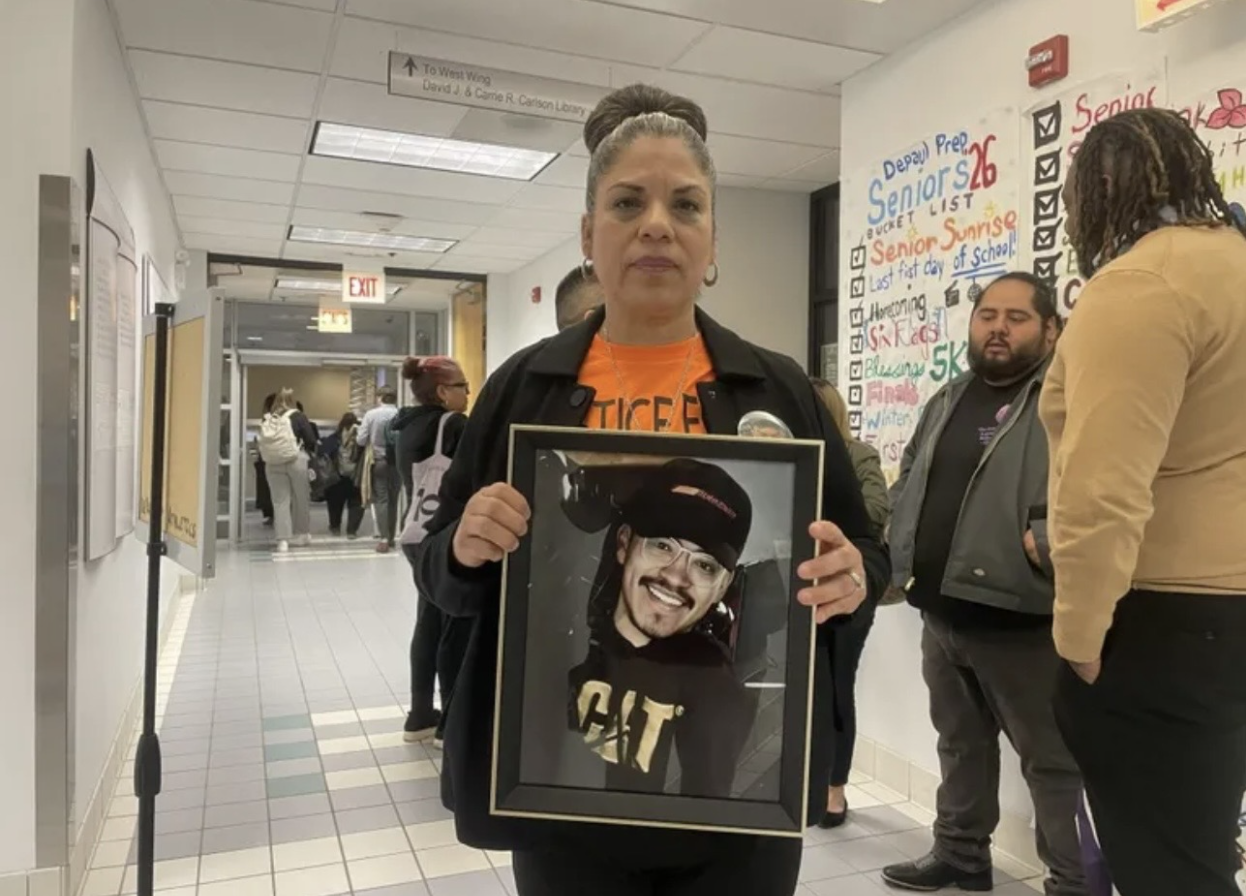
District Councilor Ashley Vargas and I co-authored a proposal for a Chicago Victims' Bill of Rights.
It grew from a basic belief: victims, survivors, and grieving families should not have to fight a confusing bureaucracy while they are trying to heal.
Families deserve timely, compassionate communication. Understandable information about their cases. Language access. Referrals to real support. And a clear way to raise concerns when public institutions fail to treat them with dignity.
The city should lift the burden carried by victims and their loved ones — not add to it.
This is an advocacy and policy effort. It is not a City Council ordinance today, and its final form will require continued input from victims, survivors, advocates, legal experts, city agencies, and legislative partners.
-
City services should be built around the needs of people experiencing harm, not around what is easiest for the bureaucracy.
-
I will keep developing the proposal with victims, survivors, advocates, service providers, and government partners. As alderman, I will work to identify which protections require legislation, which require departmental policy changes, which services need funding, and how the city can measure whether families are actually getting meaningful support.
Restorative Justice in the Juvenile Court System
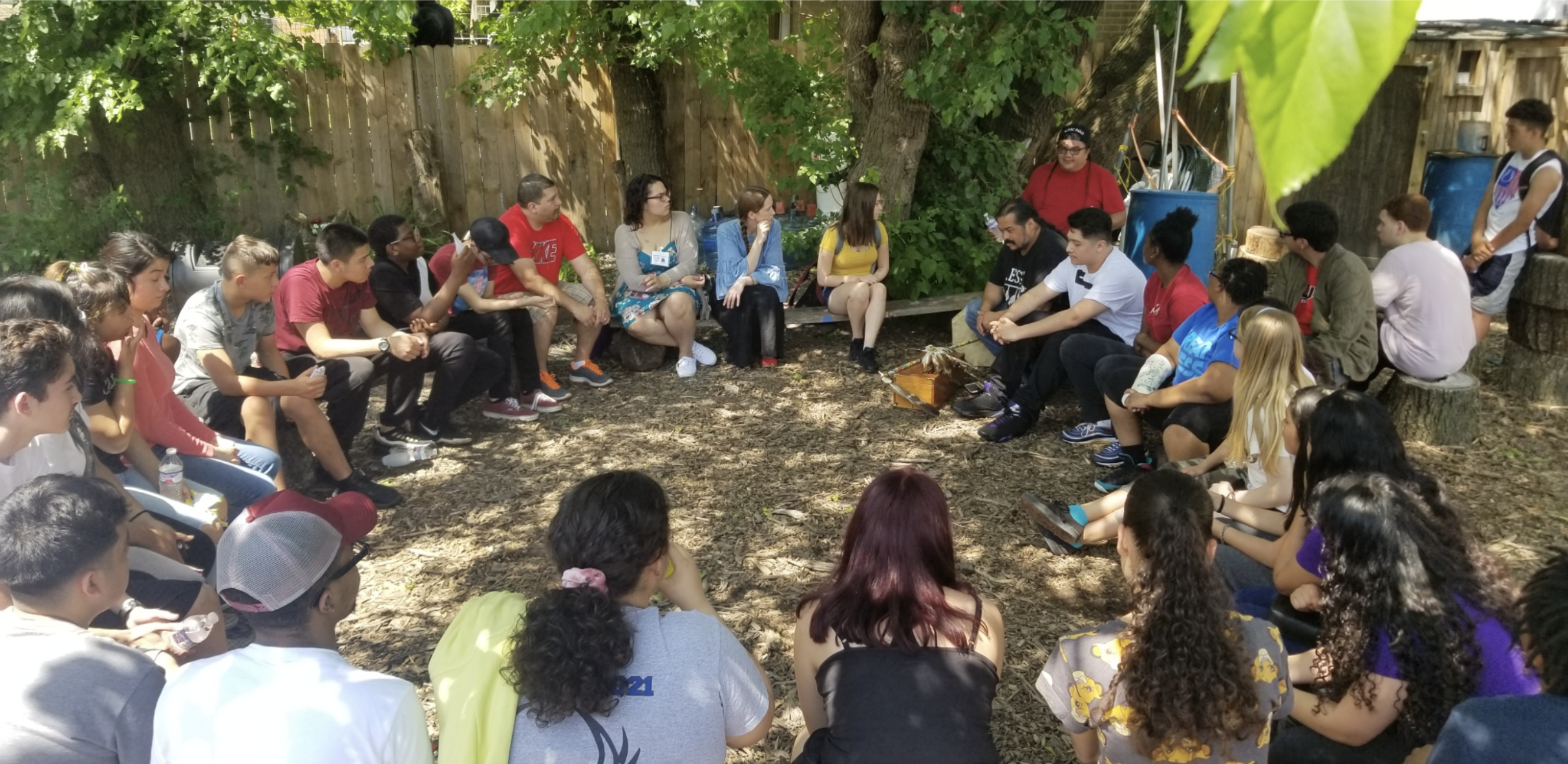
As a court advocate and youth worker, I pushed for greater use of restorative justice in the juvenile court system.
I worked with young people navigating a system that too often treated punishment as the only form of accountability. I advocated for approaches that let young people take responsibility, repair harm, get support, and avoid deeper involvement in the criminal legal system.
-
Changing a system takes more than building a good program. Public institutions have to change their rules, their practices, their incentives, and their understanding of the people they serve.
-
As alderman, I will advocate for restorative practices in schools, youth programs, violence-prevention initiatives, and other city-supported services.
I will push for funding, implementation standards, and public reporting — so restorative justice is treated as a real alternative backed by public institutions, not a temporary pilot or a talking point.
The Fight for a Living Wage
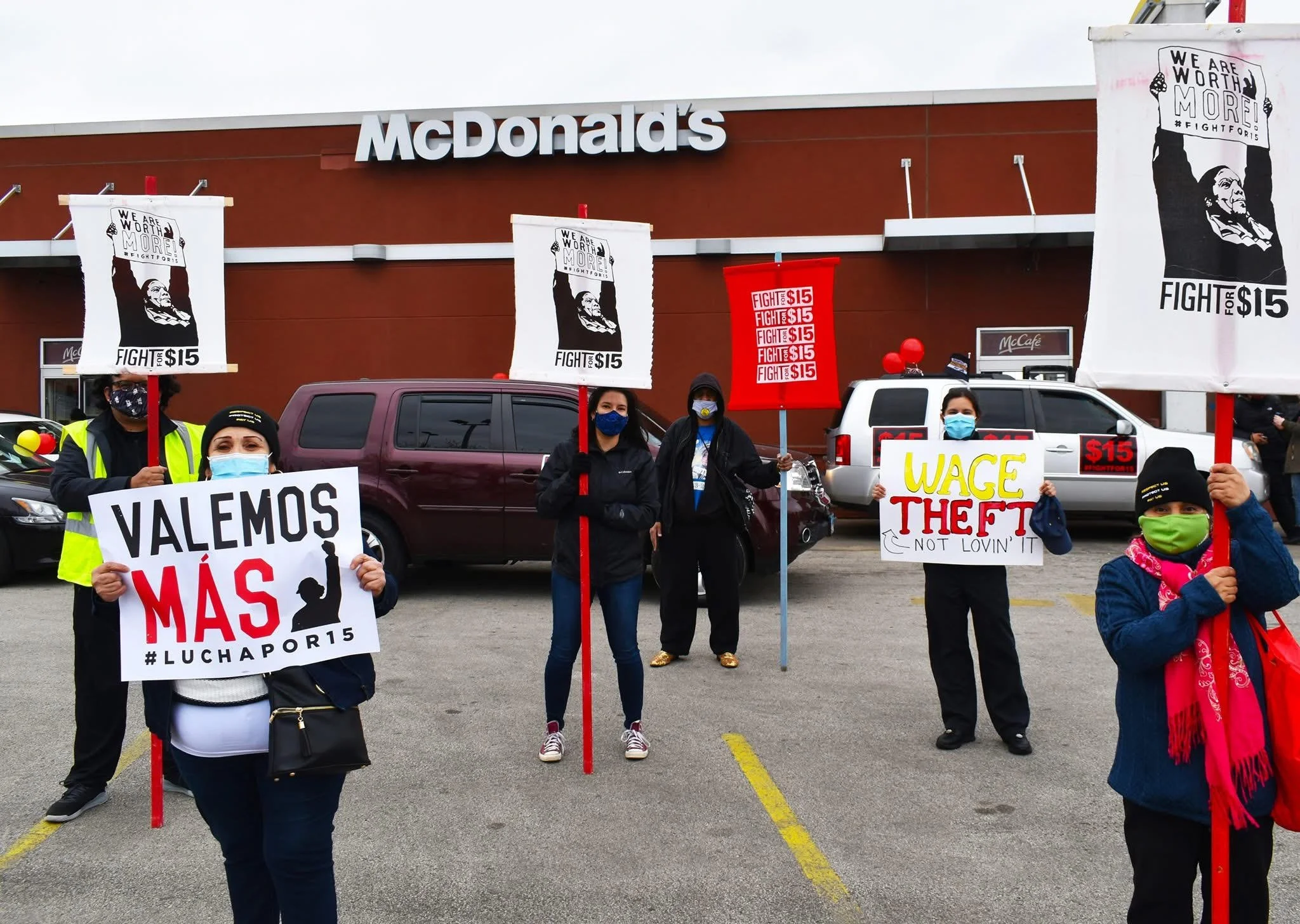
I was part of the movement that fought to raise Chicago's minimum wage to $15 an hour.
Workers did more than ask elected officials for help. They shared their experiences, organized their workplaces, marched, went on strike, and built enough public support to change what city government believed was possible.
That organizing created the political conditions for Chicago to raise its wage floor.
-
Progress happens when the people directly affected by a problem are organized and have a real role in shaping the solution.
-
As alderman, I will support legislation and city policies that advance living wages, union jobs, workplace safety, local hiring, responsible contractor standards, and protections against wage theft.
I will also work to make sure businesses and developers receiving public land, zoning benefits, contracts, or financial assistance are held to strong labor standards.
Accountability During Midway Blitz
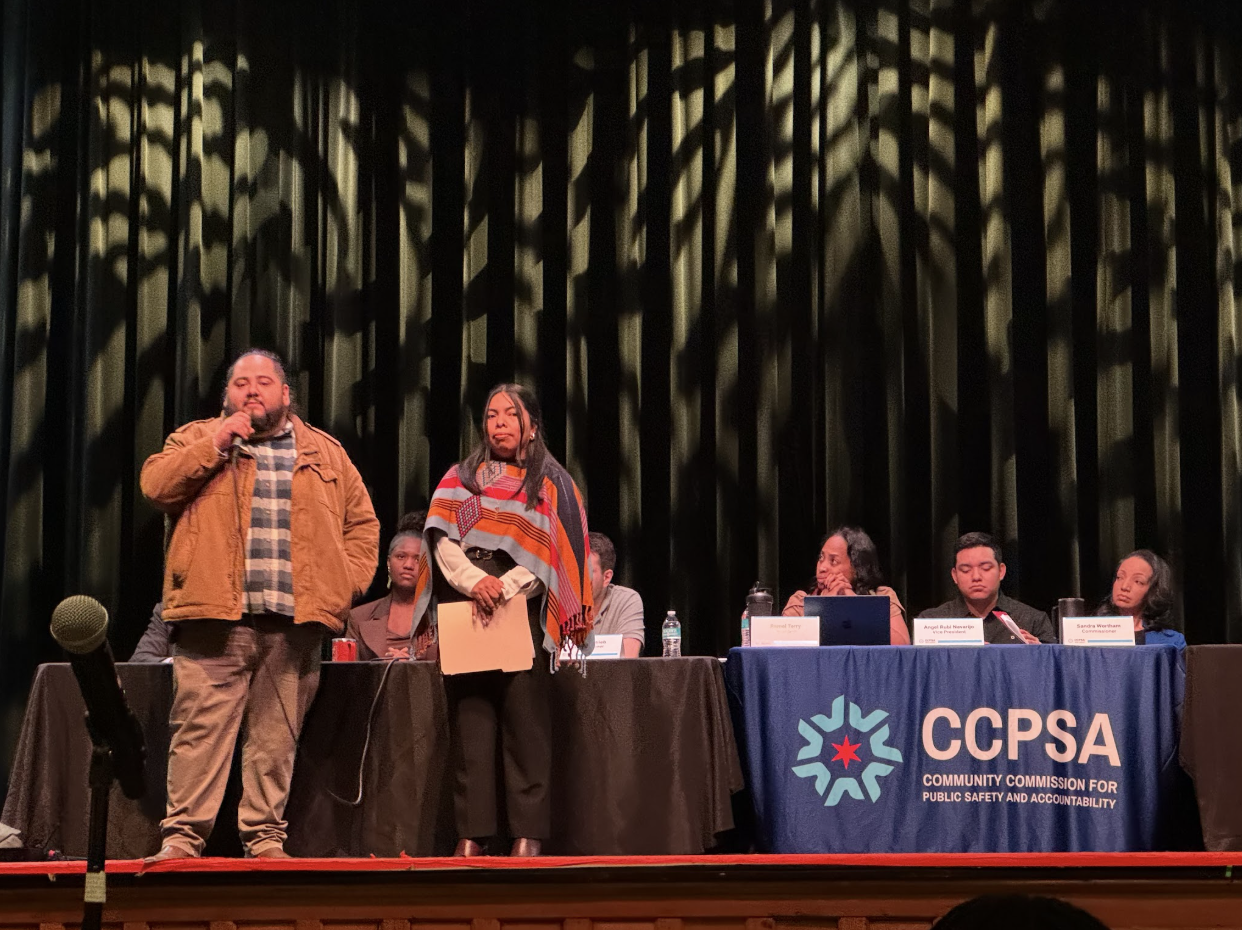
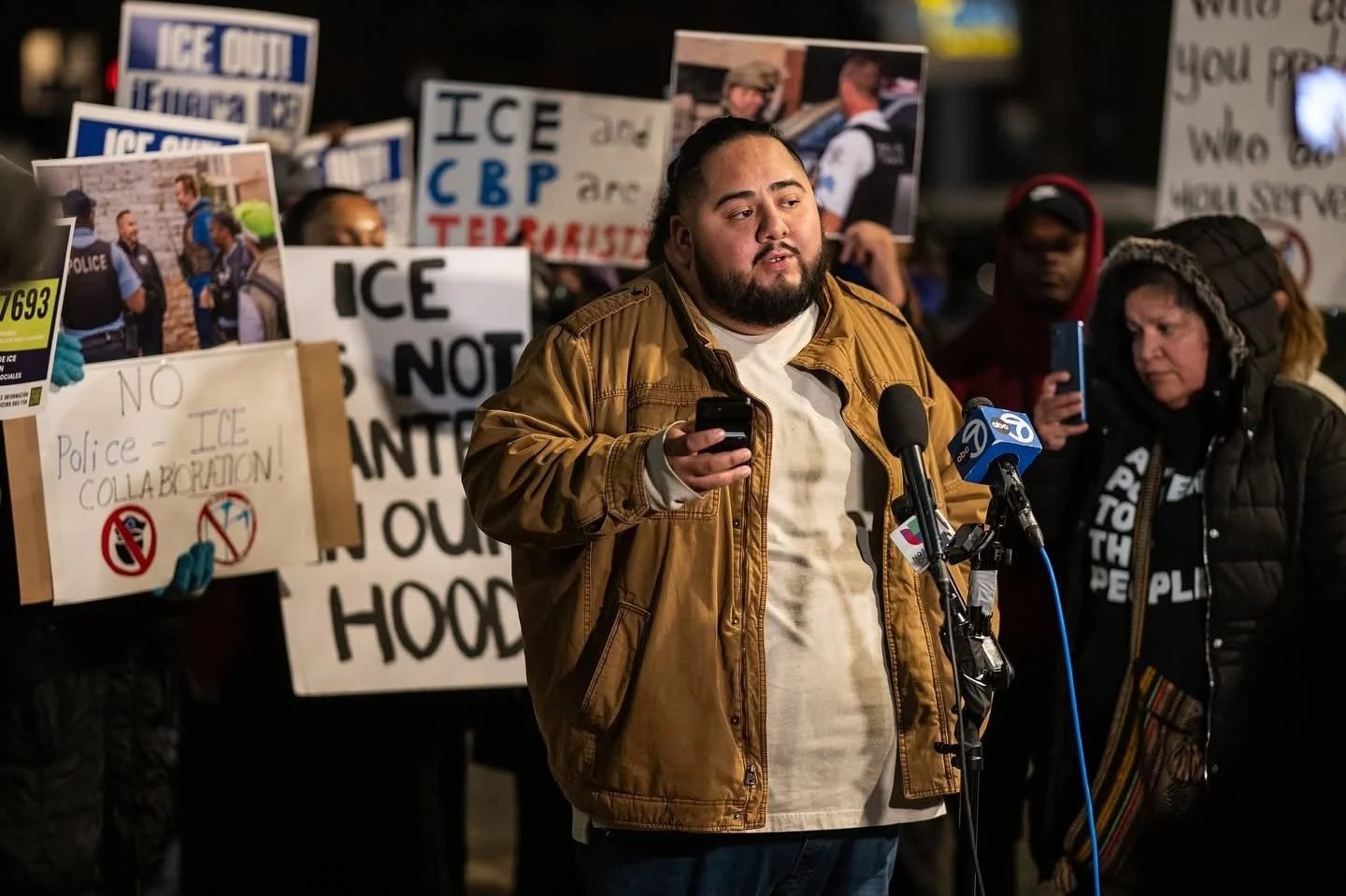
When residents raised concerns about interactions between the Chicago Police Department and federal immigration agents during the federal operation known as Midway Blitz, I helped bring those concerns into a formal public-accountability process.
I helped initiate the request for investigation and clearer guidance, organized support among District Councilors, and worked with community members to bring the issue before the Community Commission for Public Safety and Accountability.
When a public response was delayed, District Councilors and community members gathered more than 2,000 petition signatures calling for a special public meeting. Nearly 1,500 people took part, in person and online.
The meeting created a public record. Residents testified. Public officials had to answer questions. And it added to a growing demand for clearer protections and real accountability.
The mayor later issued an executive order directing CPD to document alleged misconduct by federal immigration agents and preserve evidence for possible prosecution. I do not believe any one person or organization produced that result. It followed sustained pressure from communities, advocates, elected officials, and others across Chicago.
-
Listening sessions are not enough. Community testimony has to lead to clear rules, named responsibilities, public reporting, and a process for enforcement.
-
As alderman, I will use City Council hearings, legislation, budget oversight, departmental reporting, and public accountability processes to protect immigrant families and hold city agencies to Chicago's commitments.
I will also work to make sure residents know their rights, can report possible violations, and know which public body is responsible for responding.
Independent Investigation of Extremism in CPD
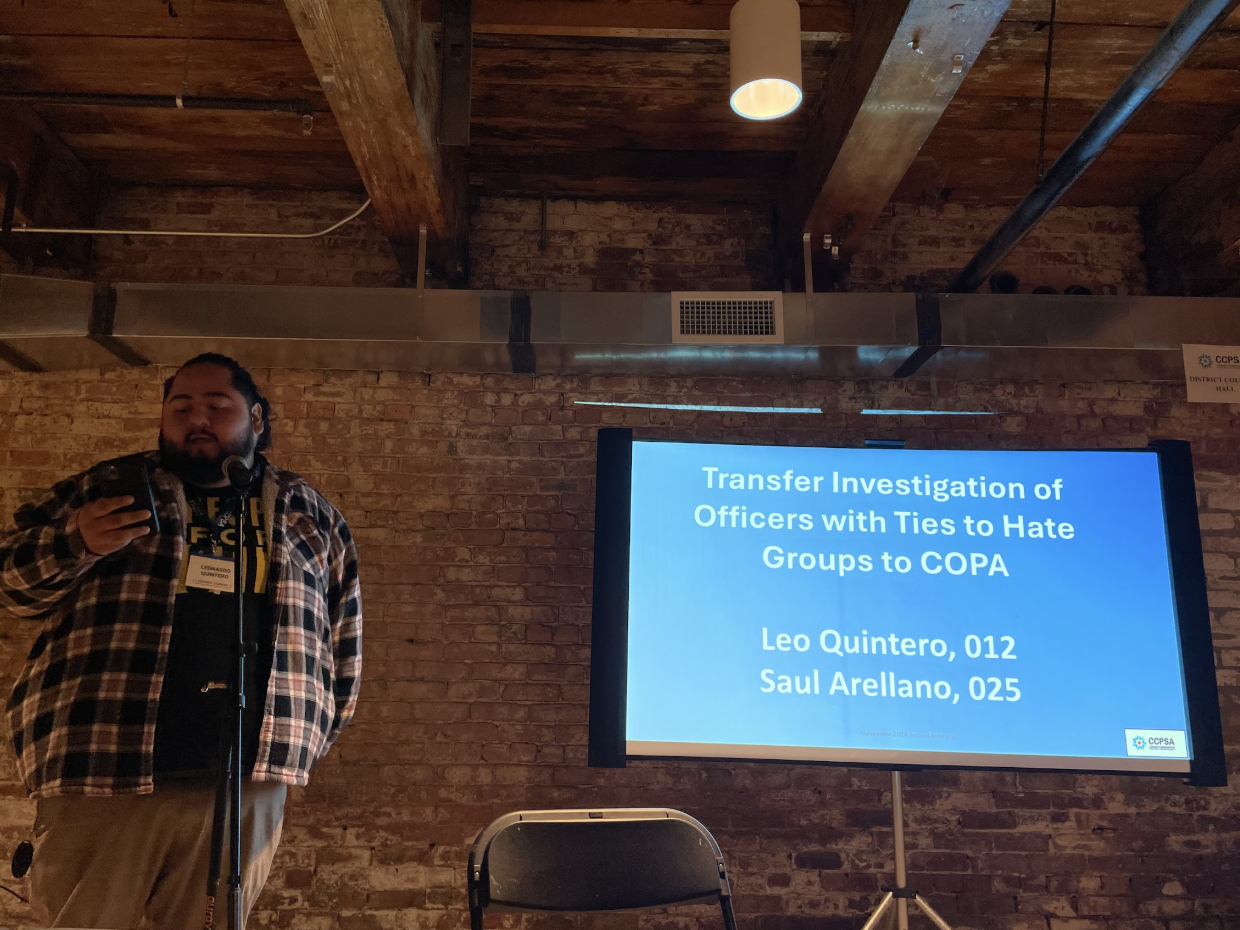
Fellow District Councilor Saul Arellano and I advanced a proposal to move investigations of Chicago police officers with potential ties to extremist or hate groups out of CPD's Bureau of Internal Affairs and into the independent Civilian Office of Police Accountability.
The proposal won support from 41 District Councilors representing 19 police districts, and became part of a broader public demand for stronger, more independent accountability.
Alderman Matt Martin later authored and introduced City Council legislation addressing extremist activity within CPD and authorizing COPA to investigate those allegations. The ordinance passed the Chicago City Council in May 2026.
I do not claim to have written the ordinance. My role was raising the issue, developing and advancing a District Council policy recommendation, organizing support, and pushing the demand into the citywide conversation.
-
Policy ideas do not have to start inside City Hall to become law. They can start with affected communities, oversight bodies, advocates, and residents who see a problem and refuse to let government ignore it.
-
As alderman, I will create clear ways for residents and community groups to bring policy ideas to the ward office.
My office will help determine which level of government has authority, connect proposals with legal and technical expertise, build legislative partnerships, and publicly track whether those ideas move forward.
How We Move Ideas Into Action
Organizing does not automatically become legislation, and legislation does not automatically become effective city service. Moving an idea from the community into government takes a deliberate process.
Residents, workers, survivors, service providers, and community organizations should help define the problem before government decides what the solution should be.
STEP 1
Start with the people affected.
Identify what government can actually change.
STEP 2
Some problems require a City Council ordinance. Others require a budget amendment, a departmental policy, a zoning condition, an administrative change, or action by Cook County, the State of Illinois, or the federal government. My office will say plainly where the authority sits — including when the answer is that it does not sit with the alderman.
Develop the policy, the funding, and the coalition together.
STEP 3
A proposal is not finished when it is drafted. I will work with affected residents, advocates, researchers, labor, community organizations, city departments, and City Council legislative counsel to develop proposals that are legally sound and grounded in real experience — and to identify the responsible departments, the required resources, and the standards for implementation. An ordinance without staffing, training, and funding is another promise on paper. A good idea also does not pass simply because it is right, so building support among residents, fellow alderpeople, unions, and advocacy organizations starts at the same time as the drafting.
My office will publish updates showing whether a proposal was introduced, which committees considered it, how officials voted, whether funding was approved, how departments implemented it, and whether residents are actually receiving the promised service.
STEP 4
Report back so you can check.
Organizing Doesn't End When a Policy Passes
Passing an ordinance is not the finish line.
Government still has to write the rules, train employees, fund the work, deliver services in multiple languages, make those services accessible, publish results, and correct failures.
I will bring the same persistence to implementation that I have brought to organizing. Because the goal is not to pass more legislation.
The goal is to turn the experience of our communities into public action, and make government work better in people's lives.